
Choosing between corporate gift baskets and traditional hamper boxes comes down to what a business is trying to say, how quickly they need it delivered, and how polished the unboxing needs to feel. In Australia, both formats work well for client thank yous, staff rewards, settlement gifts, and end of year campaigns, but they solve different problems.
This guide compares them side by side so teams can pick the option that best fits budget, branding, and logistics.
What are corporate gift baskets, and what are traditional hamper boxes?
Gift baskets for corporate clients are curated gifts presented in a basket or open style arrangement, usually designed for visual impact and quick “wow” value. They often spotlight premium produce, wine, gourmet snacks, or wellbeing items that are easy to browse at a glance.
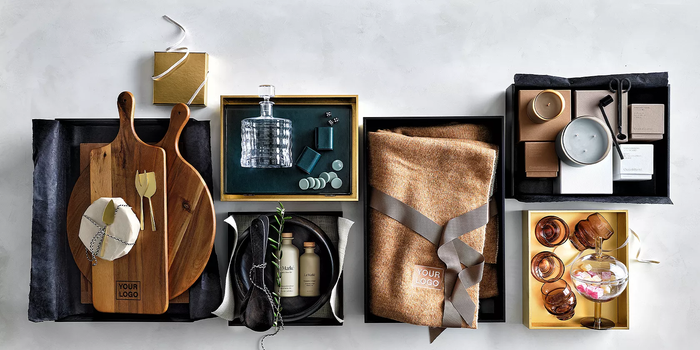
Traditional hamper boxes are packed in a rigid box with inserts, filler, and tidy compartments. They are built for safe freight, consistent presentation, and a more uniform brand experience across multiple deliveries.
Which option looks more premium at first glance?
Corporate gift baskets usually win the first impression because the contents are visible and styled to look abundant. That visual fullness can feel generous, especially for in person presentations at an office, conference, or boardroom.
Hamper boxes can look equally premium, but the impact is often delayed until unboxing. Their strength is a clean, structured aesthetic that suits corporate branding and modern gift design.”
Which option travels better across Australia?
Hamper boxes typically travel better for metro to regional shipping because they are designed to be stacked, taped, and handled through courier networks. They protect fragile items with inserts and reduce movement in transit.
Corporate gift baskets can be shipped, but they often need extra outer packaging and careful handling. For long distances, extreme heat, or remote delivery points, a boxed hamper is generally the safer choice.
Which is better for branding and a consistent campaign feel?
Hamper boxes are usually easier to standardise across 20, 200, or 2,000 recipients. The box, sleeves, cards, and internal layout can be replicated so every recipient receives the same brand experience.
Corporate gift baskets can still be branded with ribbons, tags, and message cards, but the open presentation can vary slightly from unit to unit. For strict brand compliance, boxes tend to be simpler to control.
Which option is easier to personalise for recipients?
Corporate gift baskets are often easier to personalise at the item level because they can be styled around themes like celebration, wellness, or local Australian produce. Swapping one or two items can be done without redesigning the whole pack.
Hamper boxes can also be personalised, but changes may require different inserts, box sizes, or packing patterns. They suit personalisation when the supplier has a clear modular system.
How do corporate gift baskets compare on price and perceived value?
Corporate gift baskets can feel higher value for the same spend because recipients can immediately see the volume and variety. That perception can matter when the goal is to impress a new client or acknowledge a major milestone.
Hamper boxes can be more cost efficient at scale because packing and freight are more predictable. They may deliver better value for large corporate programmes where consistency and logistics matter more than display.
Which format works best for HR, onboarding, and staff rewards?
Hamper boxes often fit HR workflows because they are easier to dispatch to home addresses, include onboarding materials, and stay intact in transit. They also suit confidential deliveries where a neat parcel is preferred.
Corporate gift baskets can be excellent for office-based celebrations, team lunches, or milestone moments where the gift is handed over in person. They bring a more festive, communal feel when placed in a shared space.
What content types suit baskets versus boxes?
Corporate gift baskets suit items that look good on display, such as fruit, artisan biscuits, pantry jars, wine, and floral accents. The visual composition is part of the value, so “showpiece” products work well.
Hamper boxes suit items that benefit from protection and tidy presentation, like glassware, candles, ceramics, chocolate, and branded merchandise. Inserts and compartments help avoid damage and keep everything aligned.
Other Resources : A-Z waste and recycling guide
How do both options handle dietary and cultural considerations?
Both formats can be built to suit common needs in Australia, such as halal-friendly, alcohol-free, gluten-free, vegan, or nut-free preferences. The real difference is process and labelling.
Hamper boxes often make it easier to include printed ingredient cards, allergen notes, and compliance inserts. Corporate gift baskets can still do this, but the information needs to be clearly attached so it does not get separated during handling.
What role does seasonality play in Australia?
Australian weather and peak gifting periods can influence the choice. In summer, heat-sensitive items like chocolate need insulation and timing, which hamper boxes manage more reliably when paired with protective packaging.
Corporate gift baskets thrive in spring and autumn when fresh produce and visible styling feel especially appealing. For end-of-year gifting, many businesses choose boxes for freight reliability, then reserve baskets for VIP, local, or in-person deliveries.
Are corporate gift baskets better for VIP clients and face-to-face gifting?
Often, yes. Corporate gift baskets create a strong visual moment, which suits meetings, settlements, and local deliveries where the basket arrives intact and ready to present. The recipient does not need to open anything to feel the impact.
That said, VIP gifting can also favour a premium box if the brand wants sleek minimalism, secure delivery, and a refined unboxing sequence.
Are traditional hamper boxes better for nationwide shipping lists?
Usually, yes. When a business is sending gifts to multiple states, mixed metro and regional addresses, or time-sensitive schedules, boxes reduce the risk of damage and inconsistency. They also simplify warehousing and dispatch for large lists.
For that reason, many large-scale corporate gift baskets programmes are quietly executed in boxes, even if the marketing language still says “basket”.
How do suppliers handle lead times and stock availability?
Hampers are typically easier to produce quickly at scale because packaging is consistent and packing steps are repeatable. If a product substitution is needed, it can be swapped while keeping the outer presentation uniform.
Corporate gift baskets may rely more on hand styling, which can lengthen lead times during busy Australian seasons like November and December. They still work well with planning, especially for local runs and staged deliveries.
What should businesses ask before choosing one?
They should ask four practical questions. First, will the gift be shipped across Australia or handed over in person? Second, does the campaign need strict brand consistency? Third, are there heat-sensitive or fragile products included? Fourth, is the goal immediate visual impact or a polished unboxing journey?
Answering those questions usually makes the choice obvious, whether it is corporate gift baskets or a traditional hamper box.
Which option is more sustainable in Australia?
Sustainability depends more on materials than format. A basket can be reused, which sounds positive, but it can also add bulk and require extra freight packaging. A box can be recyclable, but only if plastics and foam are avoided.
They should look for Australian suppliers using recyclable cardboard, paper-based void fill, minimal laminates, and locally sourced products. When done well, both corporate gift baskets and hamper boxes can be low waste.
How can a business choose the best option for different gifting scenarios?
For many teams, the best answer is not choosing one format forever, but matching format to moment. Corporate gift baskets tend to suit VIP gestures, local client drop-offs, and office celebrations where presentation is everything. Hamper boxes tend to suit staff gifts to home addresses, large client lists, and interstate campaigns where delivery risk must be controlled.
When a business maps gifting by audience and logistics, they can use corporate gift baskets strategically and rely on boxes for scale.

What is the simplest decision guide to use right now?
If they need a gift that ships reliably to multiple Australian addresses, choose a traditional hamper box. If they need a gift that lands with immediate impact in a meeting or local delivery, choose corporate gift baskets.
For many Australian brands, a hybrid approach works best: reserve corporate gift baskets for high-touch recipients, and use boxed hampers for the wider list. This keeps presentation strong without sacrificing operational control.
More to Read : Practical Hampers for Men Who Are Impossible to Shop For
FAQs (Frequently Asked Questions)
What are the main differences between corporate gift baskets and traditional hamper boxes?
Corporate gift baskets are open-style arrangements designed for visual impact and quick ‘wow’ value, often showcasing premium produce, wine, gourmet snacks, or wellbeing items. Traditional hamper boxes are packed in rigid boxes with inserts and compartments, built for safe freight, consistent presentation, and a uniform brand experience across multiple deliveries.
Which gifting option is more suitable for shipping across Australia?
Traditional hamper boxes typically travel better for metro to regional shipping as they are designed to be stacked, taped, and handled through courier networks with protective inserts that reduce movement. Corporate gift baskets can be shipped but usually require extra outer packaging and careful handling; thus, boxed hampers are generally safer for long distances, extreme heat, or remote deliveries.
How do corporate gift baskets and hamper boxes compare in terms of branding consistency?
Hamper boxes are easier to standardise across large recipient numbers since the box design, sleeves, cards, and internal layout can be replicated for a consistent brand experience. Corporate gift baskets can be branded with ribbons and tags but may vary slightly in presentation from unit to unit. For strict brand compliance, hamper boxes offer simpler control.
Which gifting format offers better personalisation options for recipients?
Corporate gift baskets are often easier to personalise at the item level by styling around themes like celebration or wellness and swapping individual items without redesigning the entire pack. Hamper boxes can also be personalised but may require different inserts or box sizes; they work best when the supplier has a clear modular system.
What factors influence the choice between corporate gift baskets and hamper boxes for staff rewards and onboarding?
Hamper boxes fit HR workflows well as they are easier to dispatch to home addresses, can include onboarding materials, and remain intact during transit—also suiting confidential deliveries. Corporate gift baskets excel in office-based celebrations or milestone events where gifts are handed over in person, creating a festive communal atmosphere.
Are corporate gift baskets better suited for VIP clients compared to traditional hamper boxes?
Often yes; corporate gift baskets create a strong visual impression ideal for meetings or local deliveries where the basket arrives intact and ready to present without unboxing. However, premium hamper boxes can also be preferred if a brand desires sleek minimalism, secure delivery, and a refined unboxing experience for VIP gifting.