

Kinder Bueno cookies aren’t trying to replace a classic choc chip. They sit in a different lane altogether, built to mimic a confectionery bar experience inside a biscuit format. In Australia, that matters because the “cookie” aisle spans everything from old-school bakery styles to limited-edition supermarket mashups.
This guide breaks down what actually makes Kinder Bueno cookies distinct, beyond the branding and the hype.
What are Kinder Bueno cookies, in plain terms?
Kinder Bueno cookies are a packaged biscuit product designed to taste like a Kinder Bueno style chocolate and hazelnut treat, rather than a traditional butter-and-sugar cookie. They typically lean on a creamy chocolate profile, a hazelnut note, and a sweeter, dessert-like finish.
In practice, they behave more like a hybrid of biscuit and chocolate snack than a classic café cookie.
How do Kinder Bueno cookies differ in flavour from classic cookies?
They differ because the dominant flavour is confectionery-style creaminess, not baked butter, caramelised sugar, or vanilla. Classic cookies usually lead with browned butter notes, a toasted edge, and a balance of salt and sweetness.
With Kinder Bueno cookies, the flavour expectation is closer to a chocolate bar. The hazelnut element and milk-chocolate sweetness take centre stage, which changes the overall “cookie” feel.
What makes the texture of Kinder Bueno cookies feel less traditional?
The texture is usually engineered for a consistent bite that suits packaging and shelf life, rather than a fresh-baked crumble. Classic cookies, especially bakery ones in Sydney or Melbourne, often aim for contrast: crisp edge, chewy centre, gooey chips.
Kinder Bueno cookies tend to prioritise uniform crunch or snap, with a smoother finish that matches the creamy flavour profile. That consistency is part of why Kinder Bueno cookies stand out.
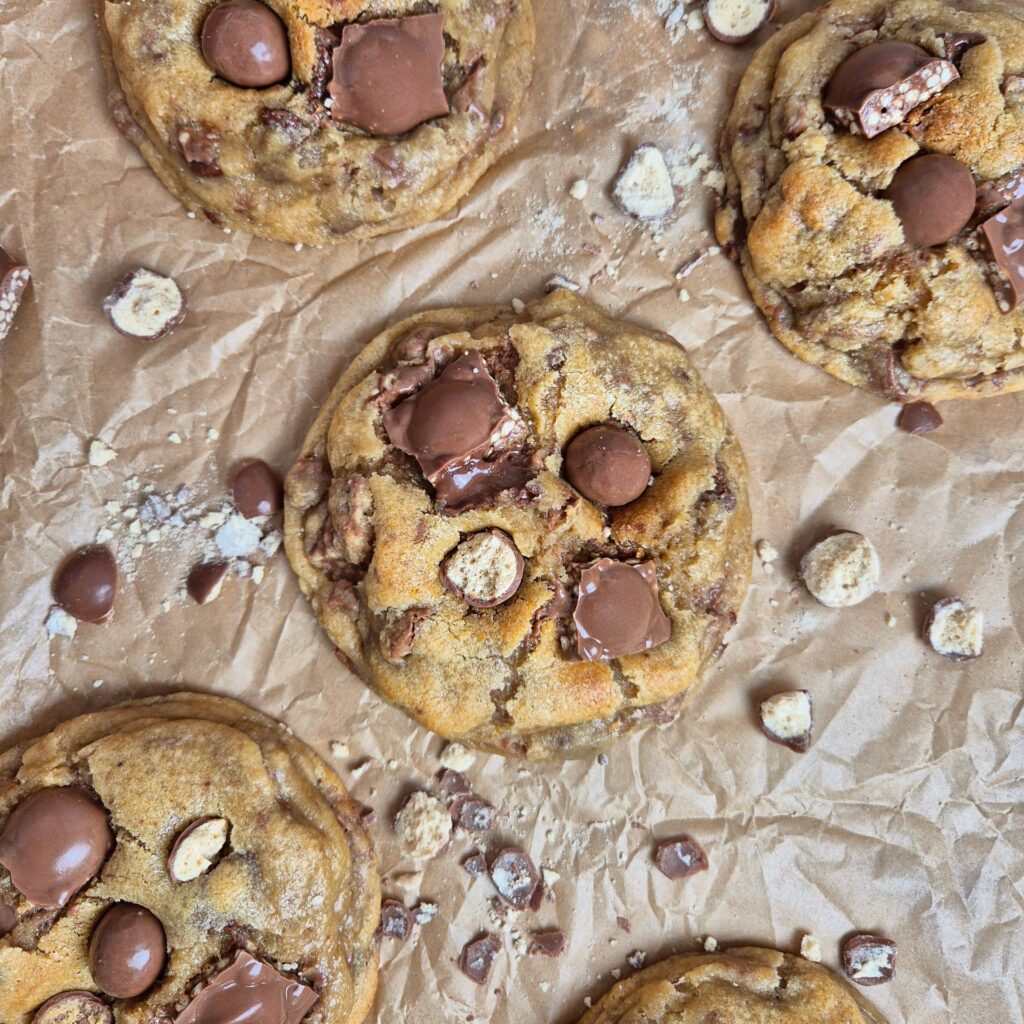
Are Kinder Bueno cookies more like a chocolate bar than a biscuit?
In many ways, yes. The concept is to deliver a “bar-like” chocolate-and-hazelnut experience in biscuit form, which is not the goal of classic biscuits. Traditional biscuits are usually about dough first, inclusions second.
Kinder Bueno cookies flip that emphasis. The appeal is the branded flavour identity and dessert vibe, not the craft of a buttery dough base.
What role does hazelnut play compared with classic biscuit add-ins?
Hazelnut in classic biscuits is usually an add-in, like macadamias in a white choc biscuit, or chopped nuts in an ANZAC-style twist. It supports the dough, it does not define it.
In Kinder Bueno cookies, the hazelnut note is part of the product’s “signature”. It is meant to be recognised, not discovered. That’s a major difference in how the flavour is built.
How does sweetness compare with classic biscuits sold in Australia?
They are typically sweeter than a balanced homemade-style biscuit, because they chase a confectionery sweetness rather than a bakery profile. In Australia, classic café biscuits often rely on a bit of salt, darker chocolate, or oatty depth to keep sweetness in check.
Kinder Bueno cookies usually aim for a dessert-like sweetness that pairs with milk chocolate and a creamy aftertaste. This is a key reason Kinder Bueno cookies feel distinct.
Do Kinder Bueno cookies change the “biscuit occasion” people buy for?
Yes. Classic biscuits are often bought as an everyday item: lunchbox, afternoon tea, road trip snack, or something to grab with a flat white. They fit easily into routine.
Kinder Bueno cookies are more often treated like a treat snack, closer to buying a chocolate bar at Woolies or Coles. They suit a “something sweet now” moment rather than a “biscuit with tea” habit.
How do ingredients and processing shape the difference?
The difference is less about one ingredient and more about the target eating experience. Classic biscuits, especially homemade ones, often rely on butter, brown sugar, and baking-driven flavour. Their taste changes with bake time, tin type, and resting.
Kinder Bueno biscuits are developed to deliver consistent flavour and crunch across different batches and markets. This helps maintain the familiar taste and texture consumers expect, whether they are bought in Perth, Brisbane, or elsewhere in Australia.
Why does branding matter more for Kinder Bueno biscuits than for classics?
Classic biscuits usually sell on a generic promise: “choc chip”, “double choc”, “oat”, “ginger”. The buyer knows what they are getting and the brand is secondary.
Kinder Bueno biscuits sell on association. The brand carries a specific expectation: creamy chocolate, hazelnut, and a familiar confectionery vibe. For many Australian shoppers, the brand is the main reason to try them.
How does the aftertaste and mouthfeel compare?
Classic biscuits often leave a buttery, baked finish, sometimes with a hint of caramelisation and salt. That lingering warmth is part of the comfort factor.
Kinder Bueno biscuits tend to leave a sweeter, milk-chocolate style aftertaste, with a smoother mouthfeel. The finish is closer to a chocolate snack than a bakery biscuit, which is why Kinder Bueno biscuits can feel “richer” even in a small serve.
Are Kinder Bueno biscuits closer to dessert than to baking?
They usually read as dessert. A classic biscuit can be simple and still satisfying, and many Australians treat them as a staple baked good. Their appeal often comes from restraint: not too sweet, a bit of chew, a toasted edge.
Kinder Bueno biscuits are built to feel indulgent. The flavour cues are unmistakably “treat”, which places them closer to dessert snacks than everyday baking.
What should Australians look for when choosing between them?
They should choose based on what they want the biscuit to do. If they want a bakery-style bite, less sweetness, and that butter-and-brown-sugar depth, a classic biscuit is the safer choice. If they want a branded chocolate-and-hazelnut treat in biscuit form, Kinder Bueno biscuits fit better.
It also helps to think about pairing. Classic biscuits often suit coffee, tea, or even a lunchbox. Kinder Bueno biscuits suit a sweet craving, movie night, or a post-dinner nibble.
So what really makes Kinder Bueno biscuits different from classic biscuits?
Kinder Bueno biscuits are built around a confectionery identity rather than a traditional biscuit profile. Their flavour centres on creamy milk chocolate and hazelnut, with a dessert-forward sweetness and a consistent texture that differs from the softer variation often found in freshly baked biscuits.
For Australians choosing between the two, it comes down to whether they want a classic baked biscuit experience or a chocolate-bar-style treat in biscuit shape. Kinder Bueno biscuits do the latter, on purpose.
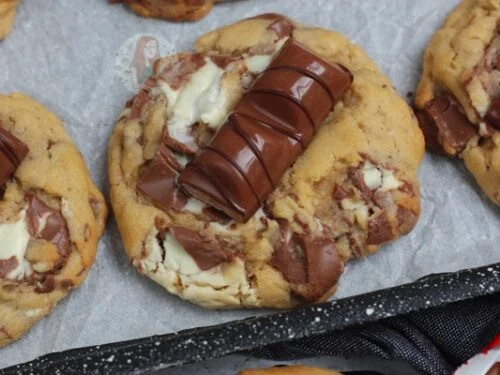
FAQs (Frequently Asked Questions)
What exactly are Kinder Bueno cookies and how do they differ from traditional chocolate chip cookies?
Kinder Bueno cookies are a packaged biscuit product crafted to replicate the flavour of the Kinder Bueno chocolate and hazelnut bar within a biscuit format. Unlike classic chocolate chip cookies that focus on buttery dough and caramelised sugar notes, these cookies prioritise a creamy chocolate profile with distinctive hazelnut flavours, delivering more of a confectionery bar experience than a traditional bakery-style cookie.
How does the flavour profile of Kinder Bueno cookies compare to classic Australian biscuits?
The flavour of Kinder Bueno cookies centres on confectionery-style creaminess, milk chocolate sweetness, and a prominent hazelnut note. This contrasts with classic Australian biscuits that typically feature browned butter, toasted edges, balanced saltiness, and vanilla undertones. Essentially, Kinder Bueno cookies offer a dessert-like sweetness akin to a chocolate bar rather than the nuanced baked flavours of traditional biscuits.
In terms of texture, what sets Kinder Bueno cookies apart from freshly baked classic biscuits?
Kinder Bueno cookies are engineered for consistent crunch or snap with a smooth finish to complement their creamy flavour profile. This uniform texture suits packaging and shelf life requirements. Conversely, classic freshly baked biscuits often aim for textural contrast—such as crisp edges paired with chewy centres or gooey chocolate chips—offering a more varied mouthfeel.
Do Kinder Bueno cookies function more as a chocolate snack than as a typical biscuit?
Yes, in many respects Kinder Bueno cookies deliver the experience of a chocolate-and-hazelnut bar within biscuit form. Unlike traditional biscuits that focus primarily on dough quality with inclusions as secondary elements, Kinder Bueno cookies invert this emphasis by highlighting branded confectionery flavours and an indulgent dessert vibe over the craft of buttery dough.
What role does hazelnut play in Kinder Bueno cookies compared to its use in classic biscuits?
In classic biscuits, hazelnuts or other nuts usually serve as subtle add-ins supporting the dough’s overall texture and flavour without dominating it. In contrast, hazelnut is a signature and defining flavour element in Kinder Bueno cookies; it is intentionally prominent and designed to be immediately recognised as part of the product’s distinct identity.
How does the sweetness level of Kinder Bueno cookies compare with traditional Australian café-style biscuits?
Kinder Bueno cookies are generally sweeter than balanced homemade or café-style biscuits found in Australia. They pursue a confectionery-level sweetness that pairs harmoniously with milk chocolate and creamy aftertastes. Traditional biscuits often incorporate salt, darker chocolates, or oat-based ingredients to temper sweetness and provide depth, whereas Kinder Bueno opts for an indulgently sweet dessert profile.