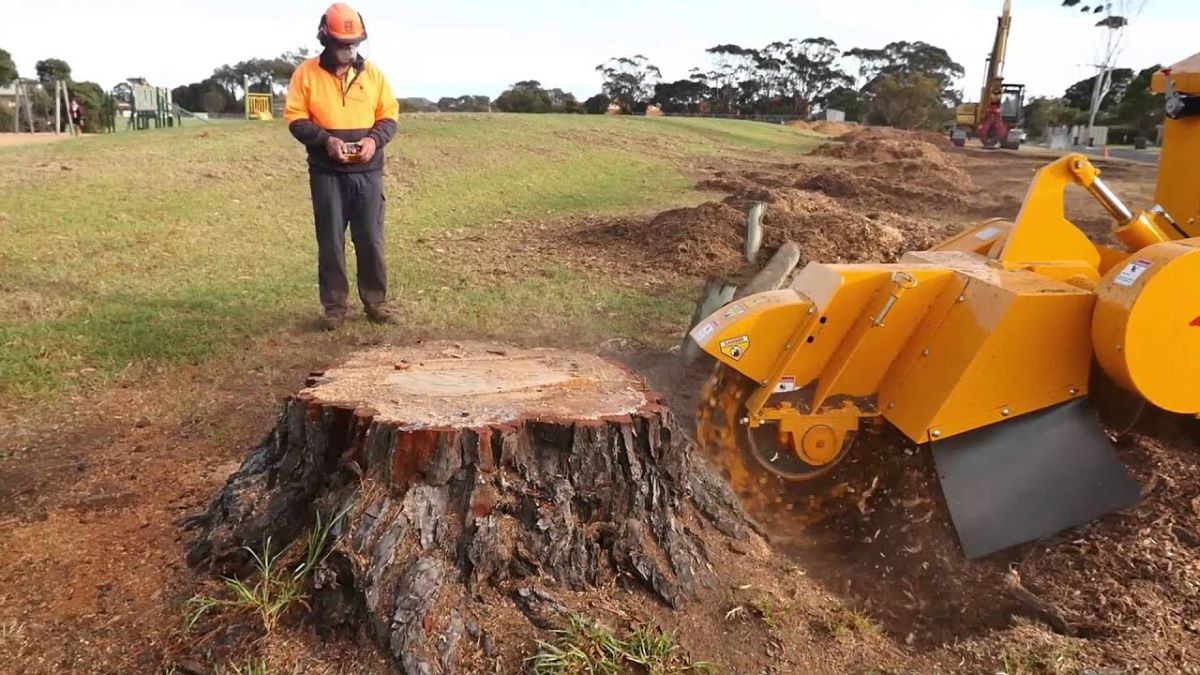
Tree stump grinding is a common practice for homeowners looking to enhance their gardens or clear space for new landscaping. However, many individuals may wonder about the safety of stump grinding, particularly when it comes to proximity to underground utilities and structural foundations. This article delves into the essential aspects of stump grinding safety, including the risks associated with underground pipes and the best practices to ensure a safe and effective operation.
Understanding the Risks of Stump Grinding Near Utilities
When considering tree stump grinding, it is crucial to understand the potential risks involved, especially when it comes to underground utilities. Water and sewer lines are typically buried between 3 to 6 feet deep, while gas lines can be found at depths of 1 to 4 feet. This variability in depth can pose a significant challenge for those undertaking stump grinding without proper precautions.
One of the primary concerns is the potential for damaging these underground utilities, which can lead to costly repairs and safety hazards. For instance, striking a gas line can result in leaks, posing a fire risk, while damaging water pipes can cause flooding and extensive property damage. Therefore, identifying the location of these utilities before commencing any grinding work is paramount.
How to Identify Underground Utilities
Before engaging in stump grinding, homeowners should take proactive steps to identify the location of underground utilities. Many utility companies offer services to assist homeowners in marking the precise locations of gas lines, water pipes, and electrical cables. In many states, including Washington, it is a legal requirement to contact utility companies at least three days before starting work to have these lines marked.
Utilising these services not only helps in avoiding accidents but also ensures compliance with local regulations. Homeowners can typically find contact information for their local utility companies online or through community resources. It is advisable to keep a record of these markings, as they can guide the stump grinding process effectively.
Importance of Professional Stump Grinding Services
Engaging professional stump grinding services can significantly mitigate the risks associated with underground utilities. Professionals adhere to strict safety protocols, which include wearing personal protective equipment and coordinating with utility companies to identify buried cables and pipes. This level of expertise ensures that the job is carried out safely and efficiently.
Moreover, professional stump grinders are trained to handle various scenarios, including unexpected encounters with underground utilities. Their experience allows them to make informed decisions quickly, reducing the likelihood of accidents. For homeowners, hiring a professional service can provide peace of mind, knowing that the job is being handled by experts.
Safety Protocols for Stump Grinding
Safety should always be a priority when it comes to stump grinding. Following established safety protocols can help prevent accidents and injuries. According to Mike Tilford, director of tree care for SavATree in Colorado, it is essential to refer to the American National Standards Institute’s (ANSI) regulations on stump grinding for comprehensive safety guidance.
In addition to adhering to ANSI regulations, it is crucial for operators to undergo proper training. A 2018 incident highlighted the dangers of untrained workers in stump grinding operations, resulting in fatal injuries. Therefore, ensuring that all personnel involved in the grinding process are adequately trained and supervised is vital for maintaining a safe working environment.
Personal Protective Equipment (PPE)
Wearing appropriate personal protective equipment (PPE) is a fundamental aspect of stump grinding safety. Operators should don safety goggles to protect their eyes from flying debris, ear protection to guard against loud machinery noise, and gloves to prevent injuries from sharp tools. Additionally, sturdy footwear is essential to protect against heavy equipment and falling objects.
Employing PPE not only protects the operator but also ensures the safety of those nearby. It is advisable for homeowners to maintain a safe distance from the grinding area during operations, further reducing the risk of accidents.
Training and Supervision
As highlighted in recent developments, training and supervision are critical components of safe stump grinding operations. Companies should invest in regular training sessions for their staff, covering the latest safety practices and equipment handling techniques. This ongoing education helps to reinforce a culture of safety within the organisation.
Moreover, having a supervisor present during stump grinding operations can provide an additional layer of safety. Supervisors can monitor the work being done, ensuring that all safety protocols are followed and intervening if any unsafe practices are observed. This oversight is particularly important in high-risk environments where underground utilities may be present. Read more about stump removals for small gardens.
Advancements in Stump Grinding Technology
Recent advancements in stump grinding technology have significantly improved the safety and efficiency of the process. Modern stump grinders are designed to minimise their impact on the surrounding soil, preserving the ecological balance of the site. These innovations not only enhance the effectiveness of stump removal but also reduce the likelihood of damaging underground utilities.
For instance, some new models feature advanced cutting systems that allow for more precise grinding, reducing the risk of hitting buried pipes or cables. Additionally, many of these machines are equipped with safety features that prevent accidental operation, further enhancing the overall safety of stump grinding operations.

Environmental Considerations
In addition to safety, it is essential to consider the environmental impact of stump grinding. By utilising advanced equipment that minimises soil disturbance, tree care professionals can help maintain the health of the surrounding ecosystem. This approach not only benefits the immediate area but also contributes to broader environmental sustainability efforts.
Furthermore, the mulch produced from stump grinding can be repurposed for landscaping or erosion control, providing a beneficial use for the material rather than allowing it to go to waste. Homeowners should discuss these options with their stump grinding service to ensure that they are making environmentally conscious choices.
Conclusion
Stump grinding can be a safe and effective method for removing unwanted tree stumps, provided that proper precautions are taken. By understanding the risks associated with underground utilities, identifying their locations, and adhering to safety protocols, homeowners can ensure a successful stump grinding operation. Engaging professional services not only enhances safety but also provides peace of mind, knowing that the job is being handled by trained experts.
As technology continues to advance, the safety and efficiency of stump grinding will only improve, making it an increasingly viable option for homeowners looking to enhance their outdoor spaces. Ultimately, with the right knowledge and preparation, stump grinding can be a safe and beneficial practice for any property.